Fake Visa Scams – Stay Alert and Protect Yourself
Fake visa scams are on the rise, targeting travelers who are desperate to secure visas for tourism, work, or immigration. These fraudsters exploit your urgency and trust, with the sole aim of stealing your money, identity, and valuable documents.
Common Types of Fake Visa Scams
1. Unrealistic Guarantees
No one can guarantee a visa. Visa approval is always at the sole discretion of the Embassy or Consulate. Be cautious if someone promises “100% approval” or “fast-track visas.”
2. Hidden Charges
Scammers may initially offer cheap visa rates. Once they get your documents and advance payment, they start demanding extra charges.
3. Fake Websites
Fraudsters create look-alike websites that appear like official portals. They trick users into entering personal details, Aadhaar numbers, and payment information.
4. E-Visa Fraud
Because e-Visas are fast and convenient, scammers now run fake “e-Visa services.” These sites lure victims with cheap prices, but in reality, no visa will ever arrive.
5. Fake Calls & Identity Theft
Fraudsters may even call using your name, Aadhaar, or personal details stolen from untrusted sites. By carelessly submitting your information, you risk having your data sold on the black market.
Red Flags of Fake Visa Agents
- No customer care number or personalized support.
- No physical office address or refusal to share proper contact details.
- Operating from remote locations, switching off phones after payment.
- Victims often realize when it’s too late—on the eve of their travel, with lost money on flights, hotels, and tour packages.
Fake Attestation & Document Risks
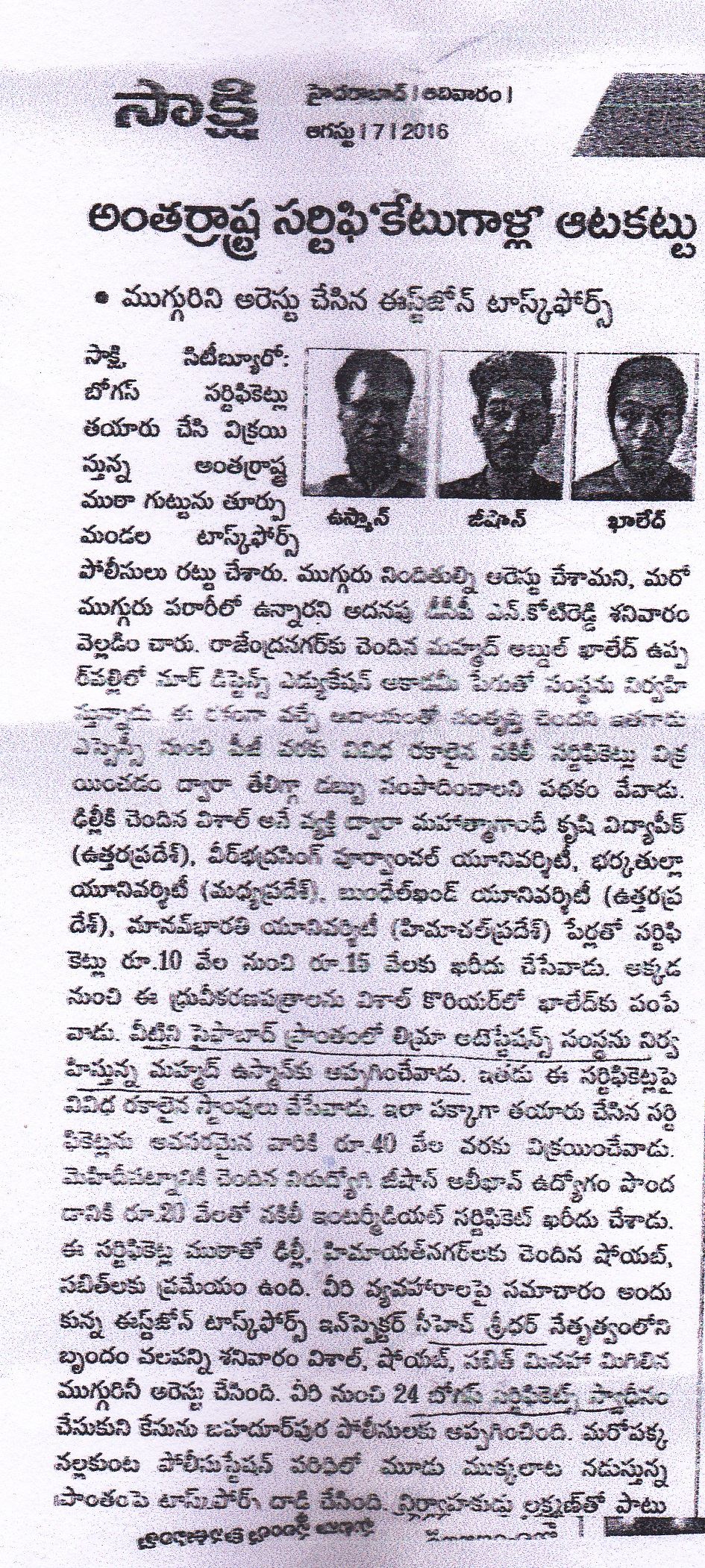
Fraudsters also trap people during the certificate attestation process. They attract clients with cheap pricing, then disappear or provide fake seals. Submitting these documents later can lead to serious legal consequences.
Recent Trends & Warnings
- Many unauthorized agents are shutting down their businesses, leaving clients stranded without passports or certificates.
- Victims are rushing to police stations to recover their documents.
- Just because a website ranks on Google’s first page does not mean it is genuine.
- Some agents collaborate with unknown commission-based partners who promise home pickup of documents but never reveal their real office location.
How to Protect Yourself
- Always verify the office address and visit in person before submitting documents.
- Check whether the agency is authorized and has a proven track record.
- Never fall for cheap offers that sound too good to be true.
- Protect your personal details—don’t share them on unknown websites.
- Work only with trusted visa consultants who provide proper receipts, follow-up, and customer support.
Remember: A genuine visa consultant will never promise guaranteed approval. Your documents and identity are priceless—don’t risk them with fraudsters.
Recent News
▪ Use of fake stamps, seals for certificate attestations - Khaleej Times
▪ Indians warned against attestation rackets | GulfNews.com
▪Have a fake degree? Bye bye Dubai | Bengaluru News - Times of India
▪Fake Indian degrees flood Middle East market - Khaleej Times
▪Indian faces jail for fake degree stamp - Emirates 24|7
More New Click Here
Egypt E- Visa Related Click Here